
All things SPF
July 17, 2026
Micro-Tint: How Japanese and Korean Sunscreen Cracked the Code for (Almost) Every Skin Tone
The white cast is a Western mineral problem. Japanese and Korean formulators solved it with micro-tint, a low level of iron oxides...
Read more →
July 11, 2026
Sunscreen Ingredients to Avoid During Pregnancy
Some chemical UV filters absorb into the bloodstream, and the FDA has asked for more safety data on them. Here are the...
Read more →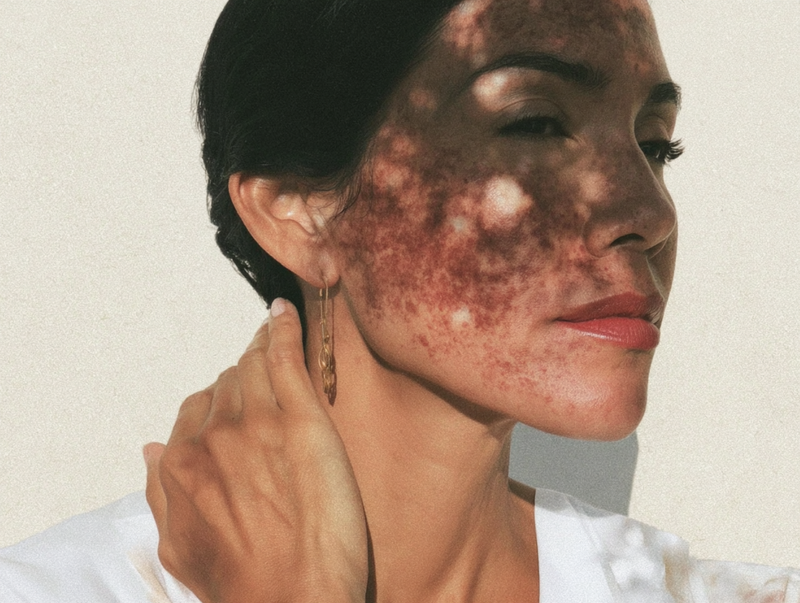
July 06, 2026
Types of Hyperpigmentation: Dark Spots, Melasma, and How Sun Protection Fits
Melasma, post-acne marks, and sun spots are different problems with one shared trigger: light. Here are the types of hyperpigmentation and the...
Read more →
July 02, 2026
No Fragrance. No Chemical Filters. No Smell.
Most sunscreen smells because of chemical filters, added fragrance, and oils going rancid. Swellies has none of them. Five ingredients. No smell.
Read more →
July 01, 2026
Five Ingredients, None of Them Comedogenic.
The wrong sunscreen can make breakouts worse. Here is what makes the best sunscreen for acne-prone skin, the ingredients to avoid, and...
Read more →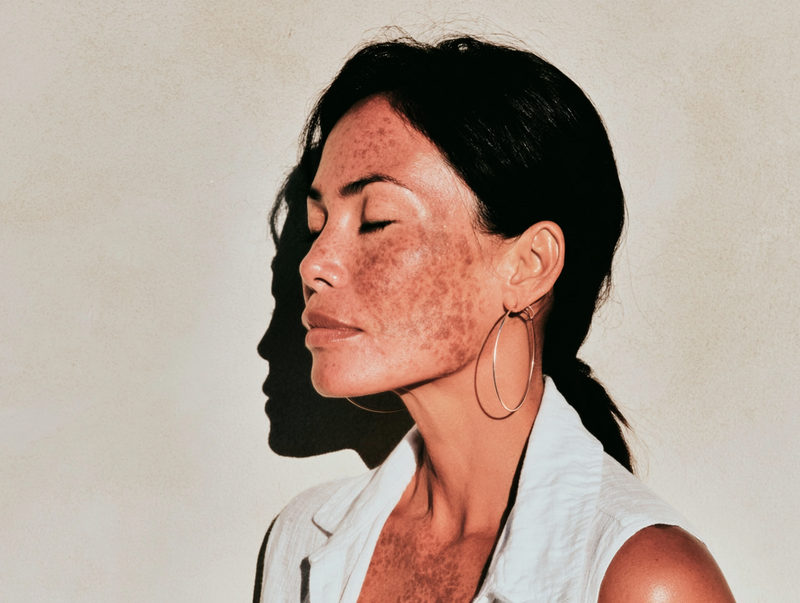
June 29, 2026
Melasma Responds to Visible Light. Iron Oxides Filter It.
Melasma is triggered by visible light, not just UV, and most sunscreens only block UV. Here is what makes the best sunscreen...
Read more →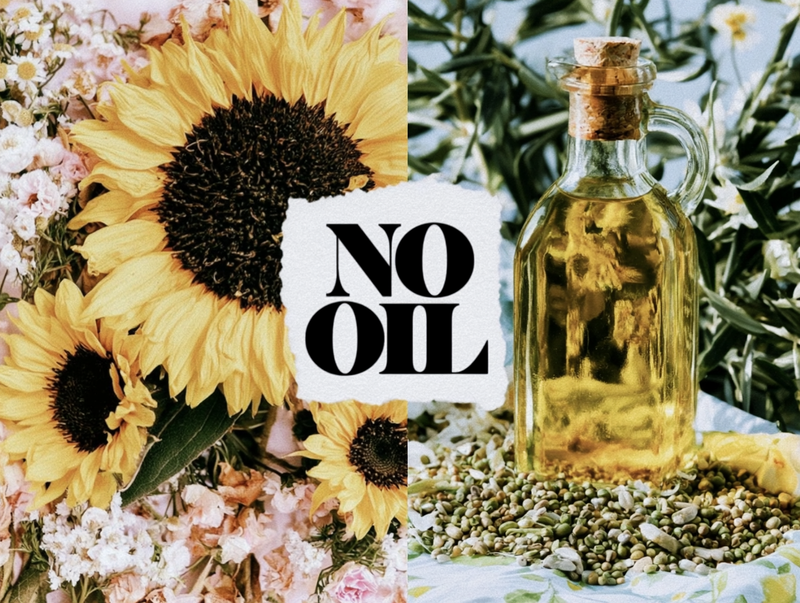
June 27, 2026
Vegan, Seed Oil-Free Sunscreen
Vegan and seed oil-free in one bottle. Five ingredients, a plant ester carrier, no tallow, no beeswax, no seed oils.
Read more →
June 21, 2026
Mineral Sunscreen Without Silicones: How to Find One
Swellies is a mineral sunscreen with no silicones anywhere in the formula, including the coating on the zinc. It is five ingredients:...
Read more →
June 19, 2026
Seed Oil-Free Sunscreen Without the Tallow
Most sunscreens are built on seed oils. Sunflower, rosehip, jojoba, raspberry. They show up across the ingredient list as carriers, emollients, and...
Read more →